
Summary
Complex utility rates should not require spreadsheets, manual calculations, or institutional knowledge to manage. This article explains how utility billing software should apply tiered and seasonal rates, validate meter data, reduce billing errors, and help staff clearly explain every charge.
How Should Utility Billing Software Handle Complex Rate Structures?
For some utilities, the phrase “update the rate table” can make the billing office go so cold and quiet the thermostat turns itself up.
Maybe the new rates have tiers. Maybe they change by season. Maybe commercial accounts follow different rules. Maybe gas billing has its own adjustments.
Or maybe the billing team has one spreadsheet, dozens of sticky notes, and “legacy knowledge” holding the whole thing together. In other words, Brenda can never go on vacation.
That is usually the moment a utility realizes the problem is not the rate structure.
It’s the billing process around it. Or, more precisely, the system used for it.
For utilities, complex rates are normal. They help recover costs, account for different customer classes, and apply approved charges fairly.
But when those rules depend on manual checks or workarounds, billing gets harder to trust. And nobody got into utility work because they dreamed of cross-checking rate tables until their coffee got cold.
Your utility billing/CIS software should help by applying billing rules consistently, calculating usage across approved rates, supporting seasonal or customer-specific rules, and giving staff a clear way to explain each charge.
What is a complex utility rate structure?
A complex utility rate structure uses different billing rules based on usage, customer type, service type, meter data, billing period, or approved rate schedule.
Common examples include tiered rates, seasonal rates, minimum charges, service charges, taxes, customer-class rates, contract billing, budget billing, deductions, penalties, fees, and adjustments.
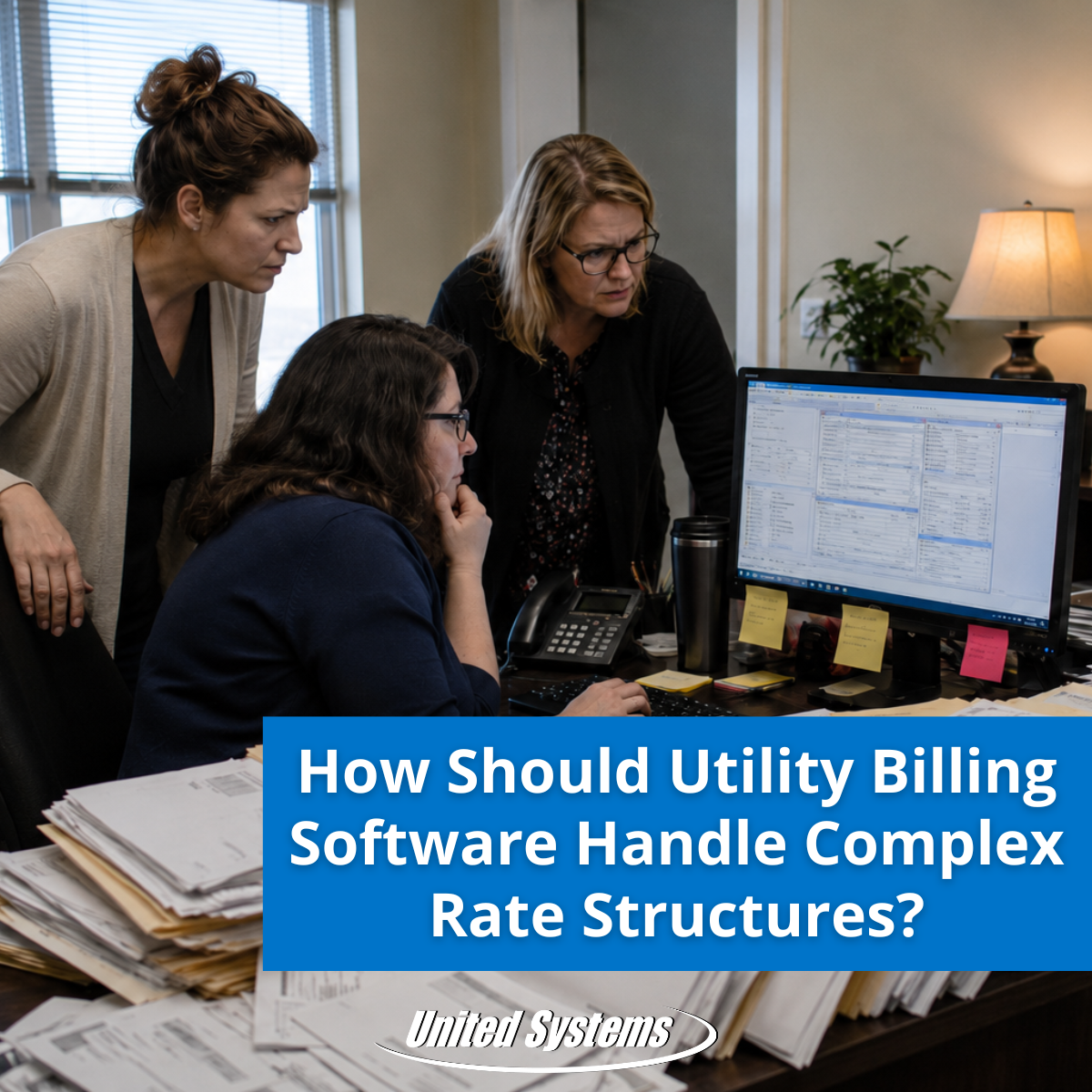
These also vary by utility type. For instance, gas utilities may have complex billing that involves temperature normalization, compound meters, contract billing, or customer-specific billing rules.
The rate structure itself may be perfectly reasonable.
The trouble starts when staffers are forced to calculate outside the billing system just to ensure bill accuracy.
How should billing software calculate tiered rates?
Billing software should calculate tiered rates by separating usage into defined blocks and applying the correct rate to each block.
For example, a utility may charge one rate for the first usage block, a different rate for the next block, and another rate for usage above that level. The billing system should calculate this based on the utility’s approved rate structure.
This matters when a customer questions a bill. Your team needs to explain how the total was calculated. “The system did it” may be technically true, but it doesn’t build trust.
A strong utility billing/CIS system should make rate calculations visible, traceable, and easy for your staff to explain.
If you must become part accountant, part archaeologist, and part software whisperer just to explain a bill, the system isn’t helping enough.
How should billing software handle seasonal rates?
Billing software should apply the correct rate based on service dates, billing periods, or approved effective dates.
Seasonal rates are common when usage patterns or operating costs change throughout the year. A utility may apply different rates during certain months or use different billing rules for specific customer classes.
The system should manage those date-based rules clearly, including start and end dates, customer class differences, test billing, and audit trails.
If employees are tracking seasonal rates manually, one missed date can affect an entire billing cycle.
Tiny calendar mistake = big billing headache.
Why does meter data matter in complex billing?
Utility bills are only as accurate as the usage data behind them.
For utilities using AMR or AMI systems, billing software should accept meter data with minimal manual handling and validate readings before bills are created.
The system should help staff identify high usage, zero usage, negative usage, missed reads, possible leaks, and meter communication problems before they become customer disputes.
For complex rate structures, clean meter data is especially important. If usage is assigned to the wrong account, service location, customer class, or rate structure, the final bill may be wrong even if the rate table is correct.
That’s when a simple billing question turns into multiple reports, two coworkers pulled in to help, and one very long afternoon.
What causes billing errors with complex rates?
Billing errors usually happen when the billing system can’t apply rate rules clearly or when staff are working around system limits.
Common causes include spreadsheet calculations, duplicate data entry, difficult rate-table updates, poor meter data validation, incorrect customer classes, manual rate changes, disconnected systems, and limited audit trails.
And complex rates will certainly expose weak processes. The more rules your utility has, the more important it becomes to have billing software that can support those rules without adding extra manual work.
What should utilities look for?
The checklist doesn’t need to be fancy. It just needs to protect your staff from unnecessary chaos. So, look for billing/CIS software that supports:
- Configurable rate tables
- Tiered and seasonal billing
- Customer classes and approved rate schedules
- Meter data integration
- AMR or AMI data when applicable
- Exception handling for unusual readings
- Test billing before rate changes go live
- Account history, payment history, and service locations
- Reporting and audit trails
Authorized staff should be able to manage approved rate structures through clear configuration tools, with vendor support available when needed.
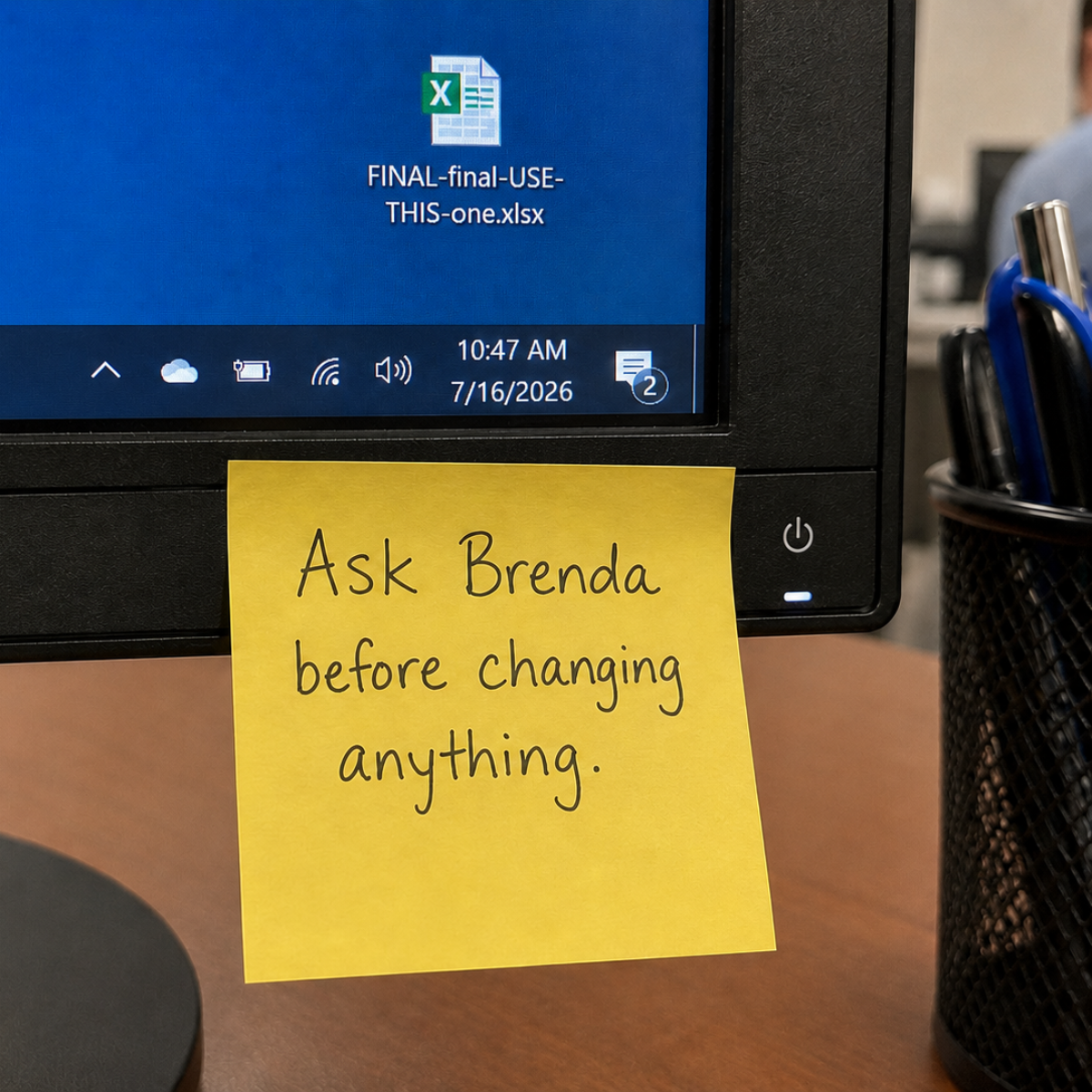
The software should also help customer service staff answer billing questions without digging through disconnected files, reports, or spreadsheets named “FINAL-final-USE-THIS-one.xlsx.”
How United Systems helps
United Systems helps utilities manage complex billing through Utility Process Management (UPM). UPM connects billing/CIS, metering, payments, customer service, reporting, and field operations so you can reduce manual work and improve visibility across departments.
Because generating a utility bill isn’t enough. Your staff needs to be able to trust, explain, and support it. If they can’t, the customer isn’t likely to, either.
Ready to reduce friction across operations?
Coordinate billing, payments, customer service, metering, work orders, and operational workflows through utility-focused technology and support services. Talk with our team to learn how United Systems supports utilities through technology, operational services, metering, customer service, and workflow management.