
Summary
In this second part of our two-part series on a building El Niño, a look at the practical checklist utilities can follow to prepare for potentially disruptive, even dangerous weather impacts from this climate phenomenon.
How can utilities prepare for El Niño now?
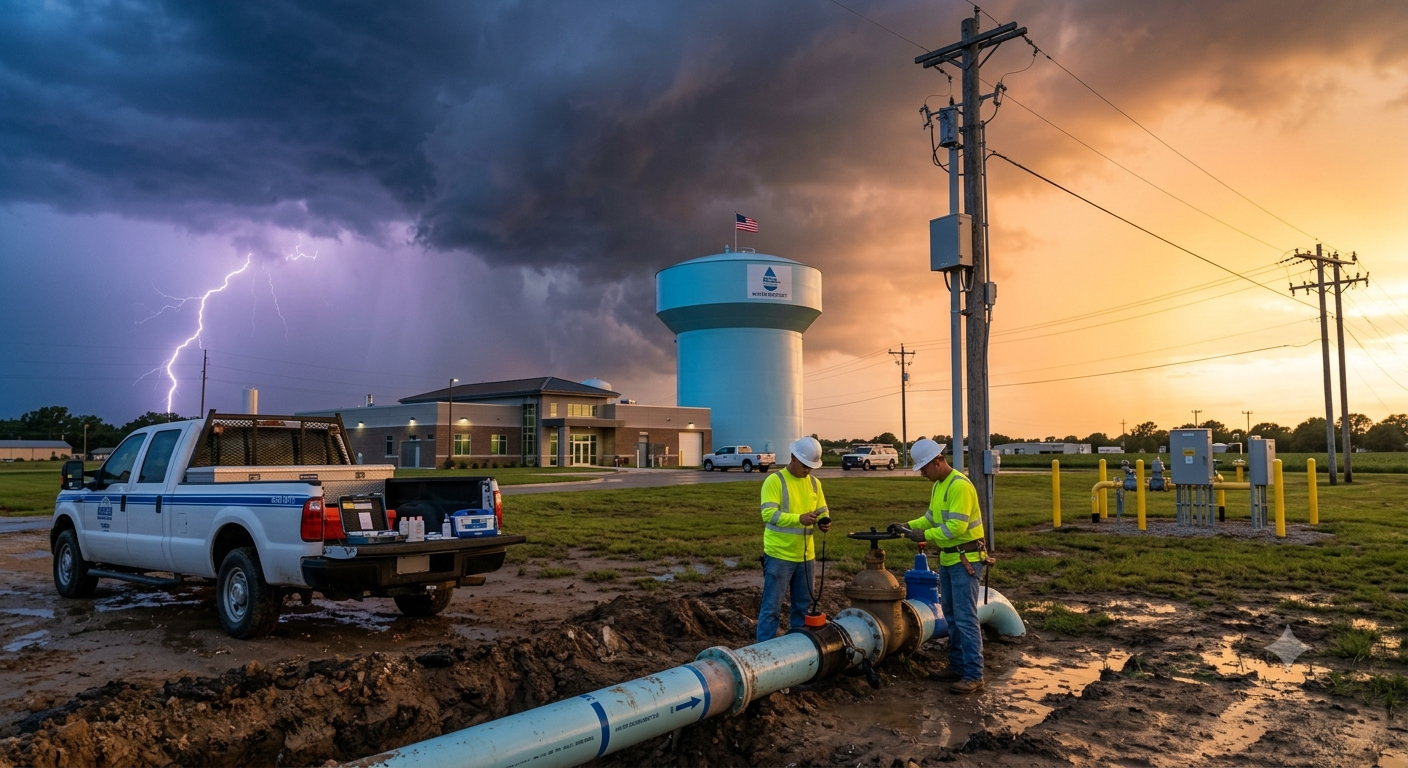
The time for utilities to prepare for El Niño is now.
In part one of our two-part series on this climate phenomenon, we explained how El Niño—officially declared underway in June by the National Oceanic and Atmospheric Administration (NOAA)—will impact utilities across the United States.
But weather experts have been watching this building El Niño for months.
“The current episode is forecast to become very strong. Which is rare. Very rare,” says veteran meteorologist and founder of the Paducah Weather Company, Jennifer Rukavina.
If the forecast holds, this El Niño is on track to become the strongest in more than a century.
The most noticeable effects for North America are expected into late fall and early 2027. Disruptive weather like severe storms, flooding, extreme heat, unusually high humidity, and drought are all a concern.
How can utilities prepare for El Niño’s effects?
“This is something [El Niño] that’s going to build as we move forward, and everybody kind of needs to be prepared,” Rukavina stresses.
It’s impossible to know exactly how this El Niño will impact weather in your utility’s coverage area through 2027.
But utilities can follow this practical checklist to help prepare staff and customers to weather whatever El Niño may bring:
- Translate the forecast into local risks. Utilities should get familiar with how El Niño may impact your specific region. That means connecting regularly with local meteorologists. That might be through your local television station or regional National Weather Service office.
- Identify exposed infrastructure. Map critical assets in flood-prone areas, wildfire zones, low-lying areas, or regions dependent on a single source of water or power.
- Stress-test the system. Run scenarios. Examples include customer demand spikes during a prolonged heat wave or flooding at a pump station.
- Check the basics. Before severe weather hits, verify that backup generators are working, fuel supplies are sufficient, and emergency communications equipment is functioning properly. Your utility’s “basics” list will likely be longer than those three examples.
- Coordinate beyond the utility. Water, gas, and electric utilities are interdependent. Electricity, for example, is needed to run water and gas facilities. So, talk to each other! Don’t forget to loop in local emergency managers and public safety agencies.
- Communicate before weather events. Your customers shouldn’t hear about your utility’s emergency plans for the first time during an emergency. Prepare messaging now for conservation, outages, boil-water advisories, emergency supplies and restoration expectations.
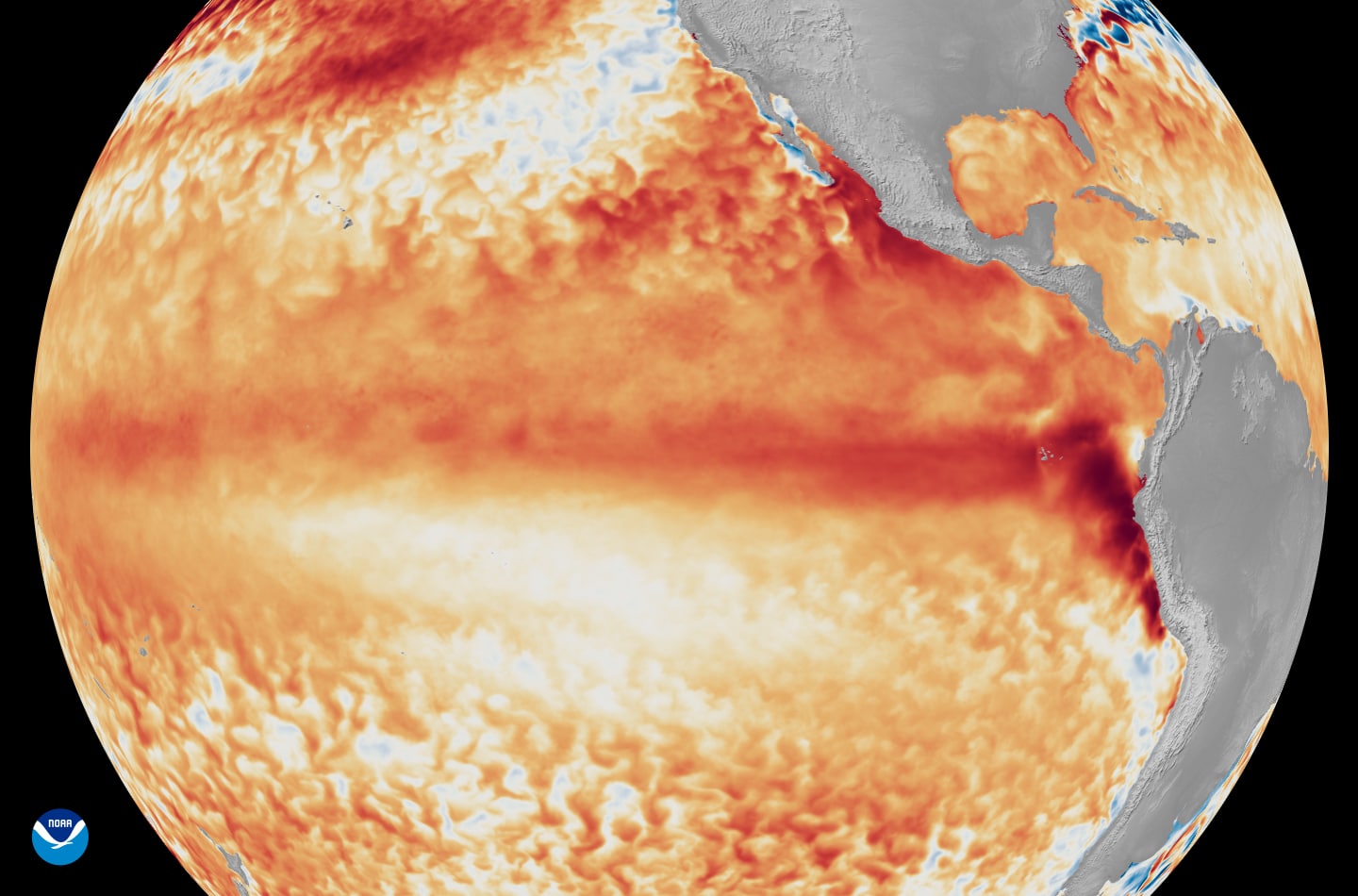
CAPTION (below right): National Oceanic and Atmospheric Administration (NOAA) satellite imagery shows the difference from average sea surface temperatures at the equator in the tropical Pacific Ocean—depicted using various shades of red and orange for warmth—during the first week of June 2026, as compared with the baseline used by NOAA’s Coral Reef Watch.
The time to prepare is NOW.
El Niño won’t bring the same impacts to every community.
But the potential for significant weather disruptions is giving all utilities something valuable: time.
Time to identify vulnerable infrastructure, stress-test systems, check emergency supplies, coordinate with regional agencies, and prepare customers for what may be ahead.
Ready to reduce friction across operations?
Coordinate billing, payments, customer service, metering, work orders, and operational workflows through utility-focused technology and support services. Talk with our team to learn how United Systems supports utilities through technology, operational services, metering, customer service, and workflow management.