
Fewer hours, same staff: How rural utilities are reclaiming the workday
Utilities know this truth all too well: there aren’t enough hours in the day.
Smaller, rural utilities know there aren’t enough people, either.
Aging infrastructure, growing customer expectations, and increasingly complex technology add to the pressure. Routine office tasks—entering payments, generating reports, processing bills, and tracking down information—take time. In the field, so do meter reads and rechecks. Not to mention mileage. The cost adds up.
There may be hesitation to streamline processes or update infrastructure out of fear technology will replace people. But in many rural areas, staff and funding are already in short supply.
Helping existing employees do their jobs more effectively has real value.
United Systems’ customers have seen that value firsthand.
Whether it’s more time to serve customers, solve problems, or manage increasingly complex operations, those changes have saved them time, money, and in some cases, their sanity!
Start with work that consumes the day
You have to find a leak to fix it. The same principle applies to a utility’s time. Track repetitive processes that can consume staff hours:
- Manually entering credit card payments and reconciling transactions.
- Running reports and re-entering saved criteria.
- Processing bills, printing statements, and preparing mailings.
- Searching for account and meter information to answer customer questions.
- Traveling back to the field to recheck a meter reading or investigate an issue.
Each task may be manageable on its own. But when the same steps repeat every billing cycle or business day, more time is lost.
From a two-day process to just hours
In Marion, Kentucky, printing and mailing bills, which once took two employees two full days, now takes just a few hours.
“That’s one of the most important things I do is printing bills,” City Clerk Cortny Cosby says. “It’s what everything is centered around.”
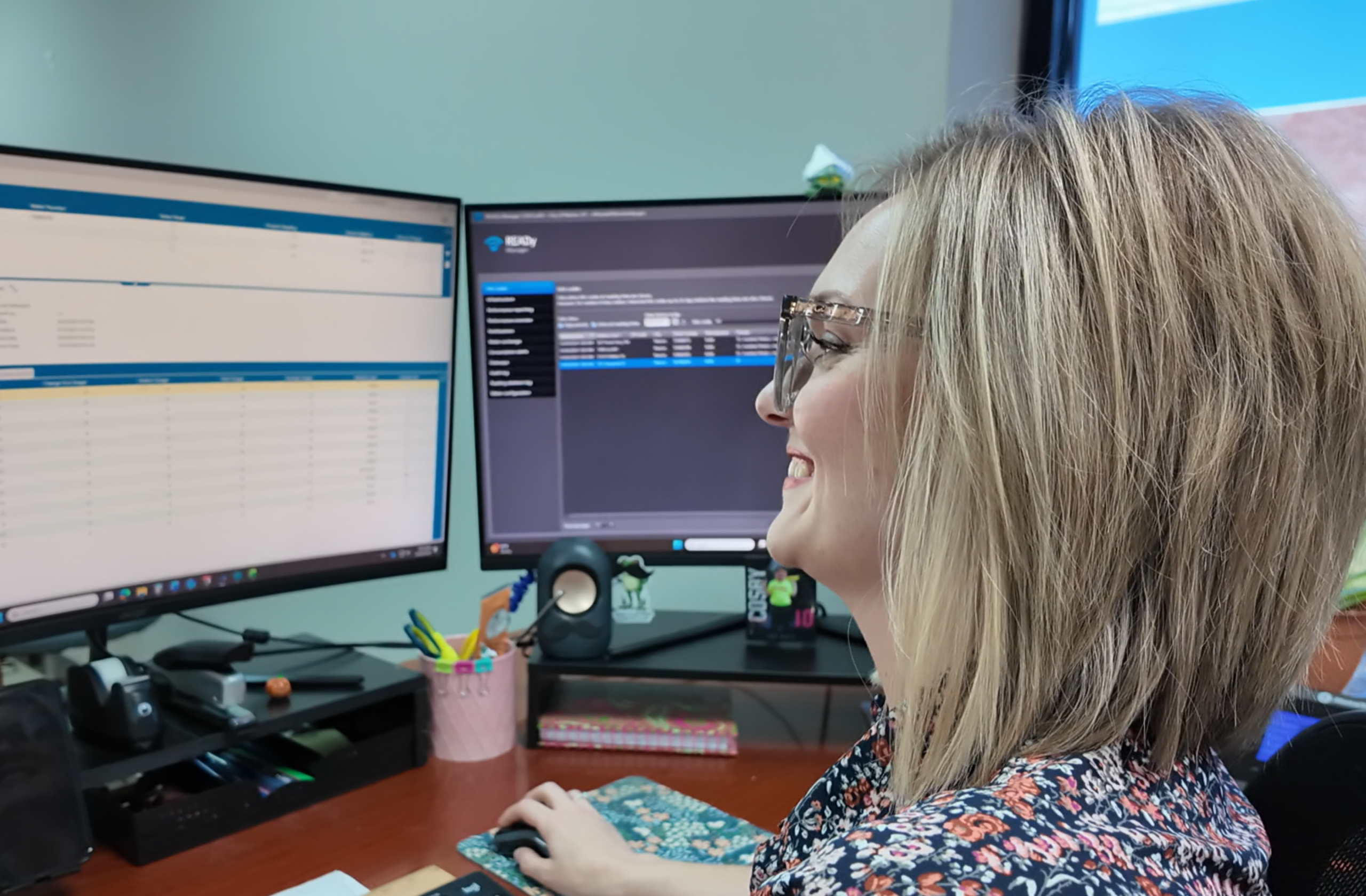
CAPTION (above): Marion, KY City Clerk Cortny Cosby
With an updated version of United Systems’ Utility Process Management (UPM) software, Marion staff can save report criteria and simplify bill generation and mailing.
“All the reports are saved, and then when it comes to the actual printing, we do not have to tear the bills,” Cortny explained. “It generates the bills for us, and we send them off, and then it mails them.”
“It’s a beautiful process.”
Less manual work means fewer opportunities for errors
Billing and meter reading are processes that are too important to get wrong. Speeding things up by streamlining may seem like the path to more mistakes.
Earn Brown, General Manager with East Logan Water District, says staff used to enter every credit card transaction individually. Now, transactions populate in the system. Staff need only post them.
“A ton of time,” Earn says of what they’ve saved. As for entry mistakes? She’s much less concerned about that these days. “We don’t have that room for error because we’re doing it by hand.”
Marion experienced a similar change. “Before, we kept credit card payments on a little piece of paper,” Cortny says. “At the end of the day we had a tape as long as this building adding them all up. It was a process.”
“Now, we just print a report. It’s all in the computer. What took maybe an hour … [is now down] to minutes.”
Fewer duplicate entries can also mean less manual checking. Moving away from paper records took Cortny’s team some getting used to.
“When we went to throw those little pieces of paper away, because we no longer, we don’t need them, it was almost like, oh, can I throw this away?”
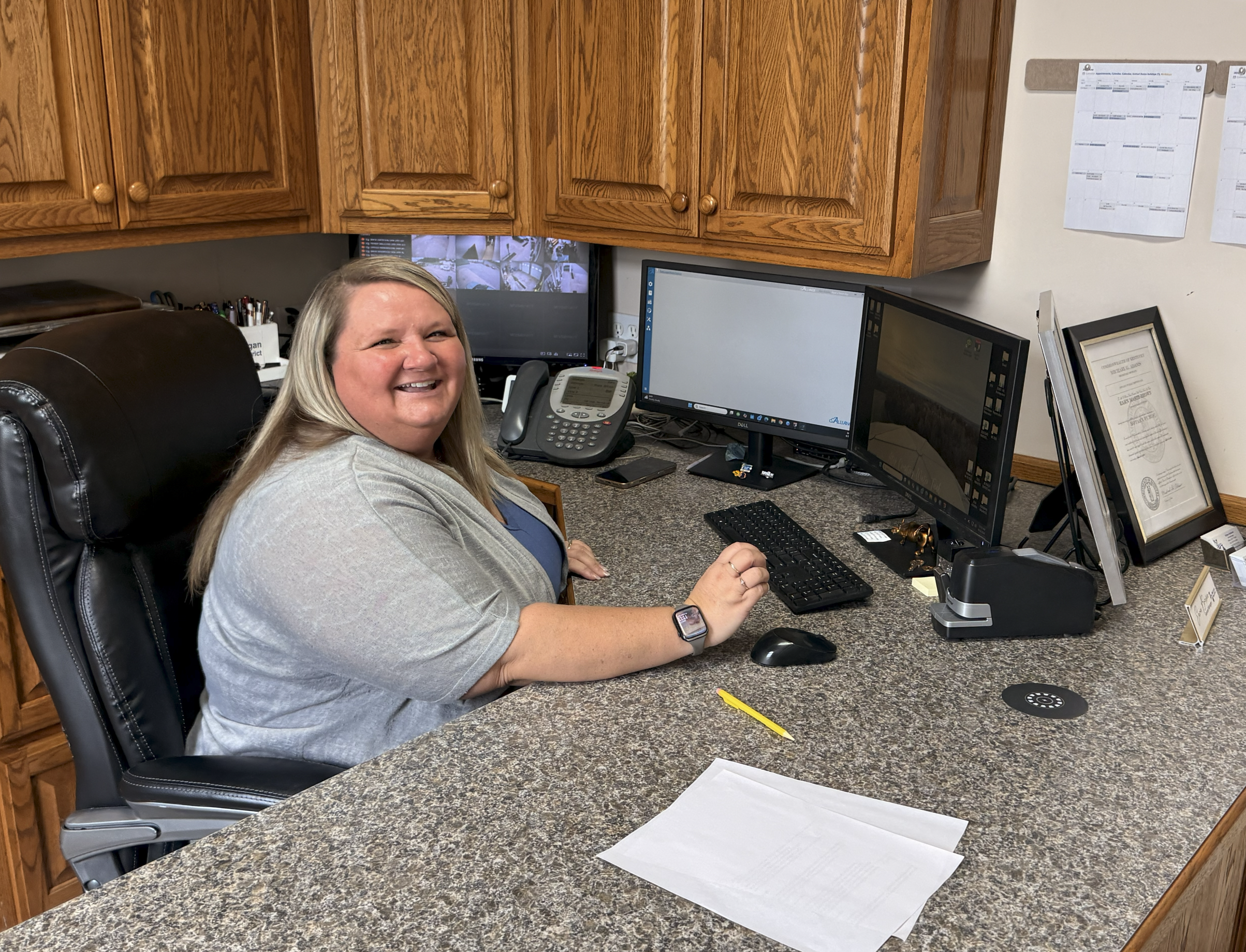
CAPTION (above): East Logan Water District
(KY) General Manager Earn Brown
For a small utility, saved time can create room to grow
Streamlining doesn’t have to mean eliminating jobs. It can help a small team handle a growing workload without immediately adding staff.
Union Fork-Bakewell Utility District General Manager Denise Keylon (left) says community growth had her considering an additional
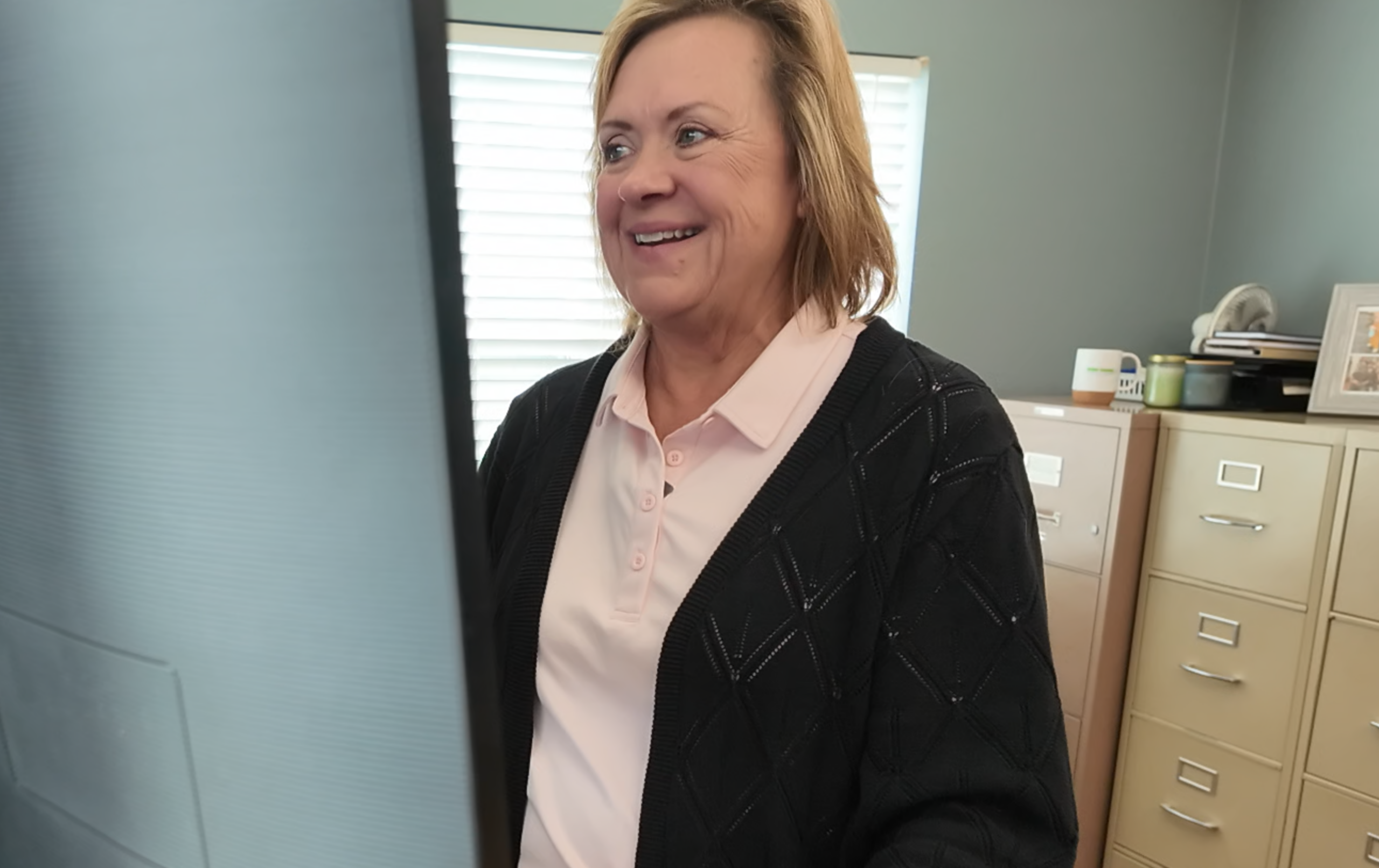
CAPTION (above): Union Fork-Bakewell Utility District
(TN) General Manager Denise Keylon
Union Fork-Bakewell Utility District General Manager Denise Keylon says community growth had her considering an additional front-office hire before the utility updated UPM. Now, she says that extra hire isn’t necessary.
She credits the change in part to customer adoption of online accounts and remote payment options. About 73% of customers use the portal each month, she says, reducing the work required to process payments in the office.
“When you have 73% of your customers signed into that and are using that every month, imagine the cost savings for us,” Denise says. “When 73% of your customers pay that way, it’s game-changing.”
For a small utility, every reclaimed hour makes a heavier workload easier to carry.
Streamlining creates opportunities in the field, too
North Stewart Utility District, a system of about 1,900 water connections northwest of Nashville, is making the investment in smart metering, with United Systems leading the project.
It’s a process requiring creativity from Office Manager Jenny Hyde. The district is deploying in stages to avoid a potentially big upfront cost.
“We have a subdivision, it’s about an hour from here,” she says of the first 47 meters they’ll transition to cellular advanced metering infrastructure (AMI). “That will be no drive time. I mean, just think of the savings!”
Jenny points to another benefit: the time she expects it to free up for her crews to deal with other issues, like leaks.
Where cellular coverage is unreliable, North Stewart is installing drive-by automatic meter reading (AMR) meters, prioritizing certain routes.
“I’m gonna put it in the danger spots where it’s really dangerous roads for them to park and read the meter.”
The district plans to replace other meters as they fail, easing into an expensive investment it expects to pay off in cost and time savings down the line.
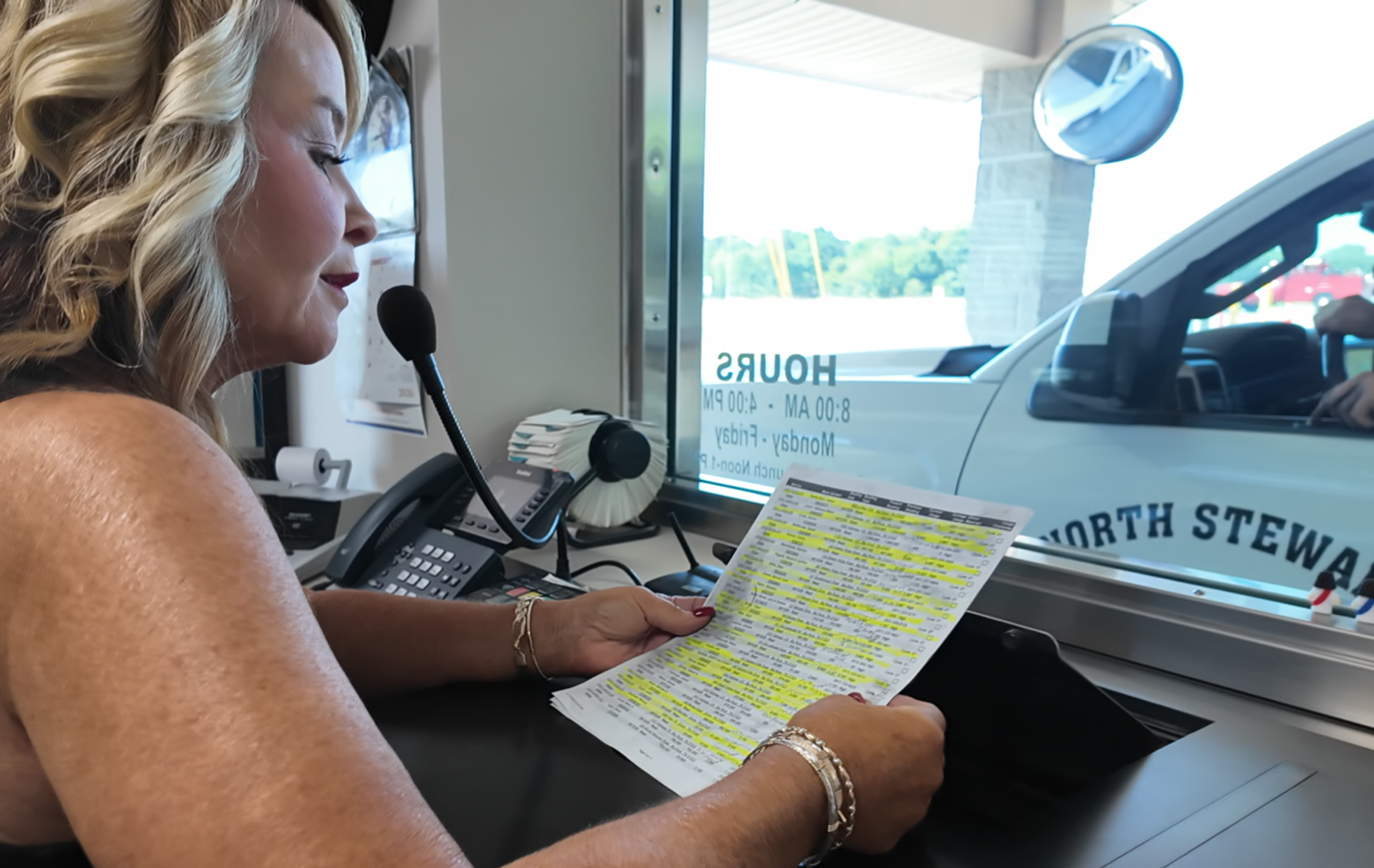
CAPTION (above): North Stewart Utility
District (TN) Office Manager Jenny Hyde
Work smarter, not harder
You don’t have to overhaul an entire utility overnight to make a difference.
- Start small. Identify one recurring task that consumes more staff time than it should.
- Look at the entire workflow. Consider how long a task takes, along with manual steps, handoffs, and follow-ups required.
- Measure what changes. Track time saved, errors reduced, customer response times, or the ability to manage additional work.
Your utility’s employees bring experience, judgment, and knowledge that technology can’t replace.
Streamlining should help them spend less time on repetitive tasks and more time using that expertise.
Ready to reduce friction across operations?
Coordinate billing, payments, customer service, metering, work orders, and operational workflows through utility-focused technology and support services. Talk with our team to learn how United Systems supports utilities through technology, operational services, metering, customer service, and workflow management.